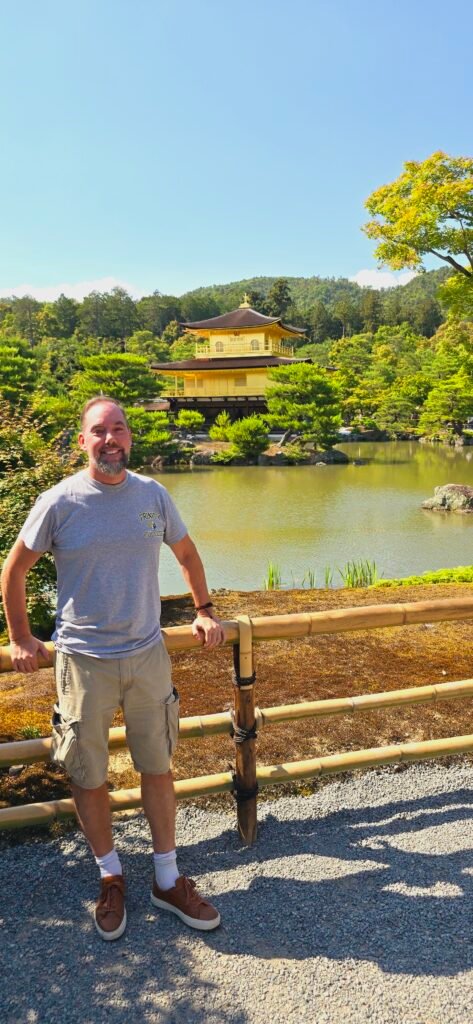
Kyoto is one of Japan’s most beloved travel destinations — a city where ancient tradition and refined modern culture coexist beautifully. Once the imperial capital for over a thousand years, Kyoto offers visitors a deep dive into Japan’s history, spirituality, art, and cuisine.
Here’s a detailed overview for tourists:
🌸 Why Visit Kyoto
Kyoto is considered the cultural heart of Japan, home to over 2,000 temples and shrines, traditional tea houses, exquisite gardens, and beautifully preserved streets. It’s a city that blends serene natural beauty with graceful human craftsmanship.
🏯 Top Attractions
Fushimi Inari Taisha
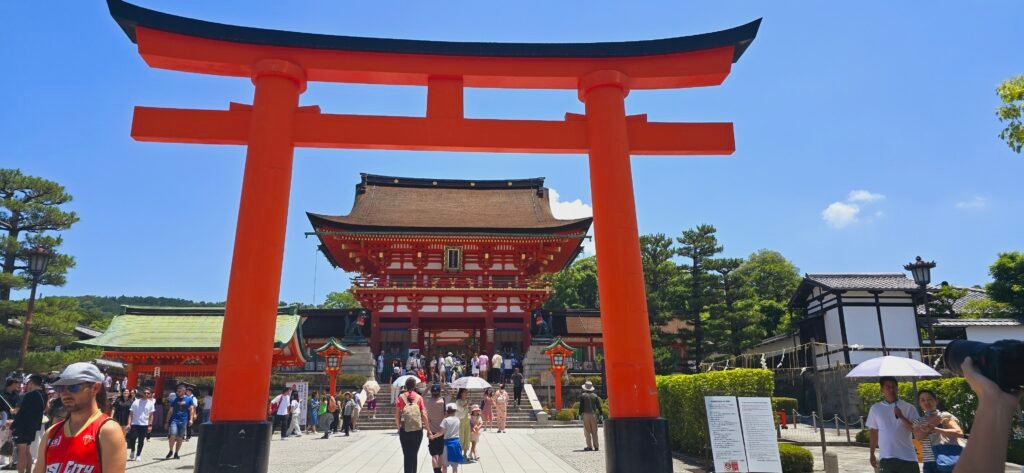
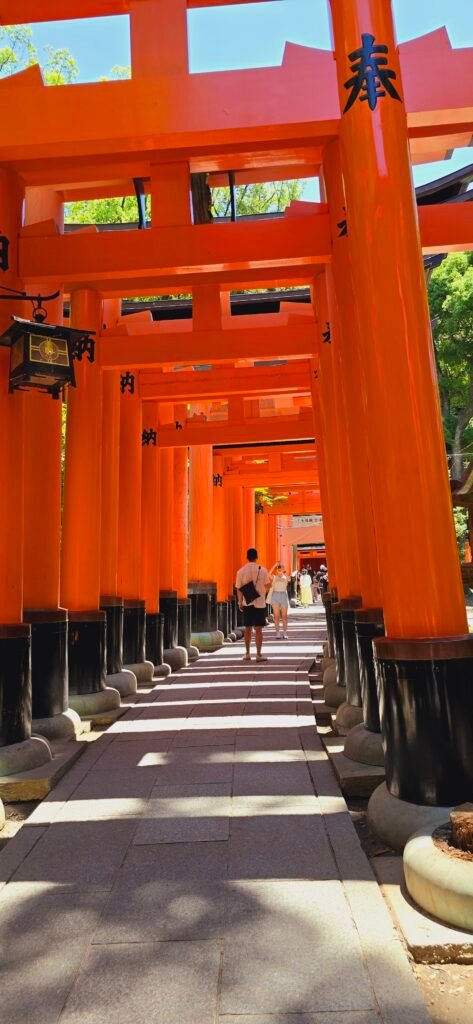
Famous for its thousands of vermilion torii gates winding through forested hillsides — one of Japan’s most photographed spots.Kinkaku-ji (Golden Pavilion)
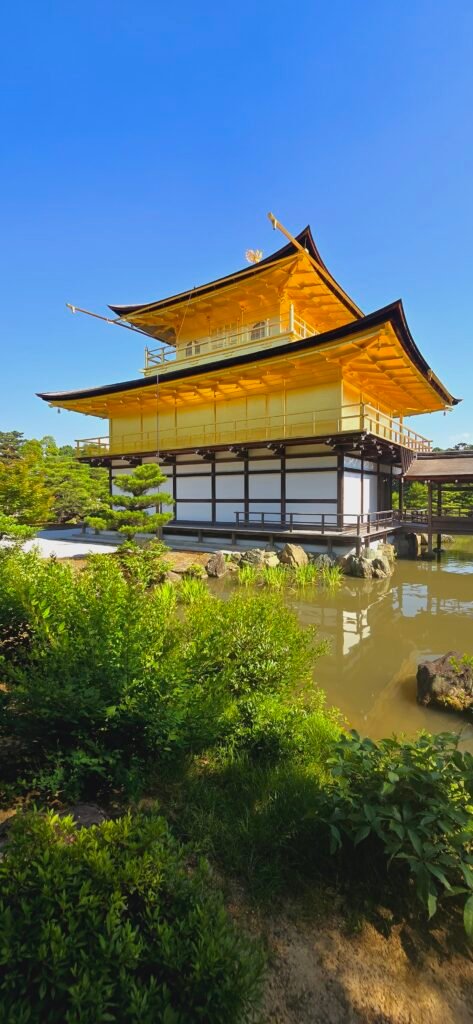
A stunning Zen temple covered in gold leaf, reflecting in a peaceful pond surrounded by landscaped gardens.Kiyomizu-dera Temple
Perched on a hillside with sweeping views over Kyoto. The wooden stage and seasonal foliage are breathtaking, especially in spring and autumn.Arashiyama Bamboo Grove
Walk among towering bamboo stalks in one of the most atmospheric places in Japan. Nearby attractions include the Togetsukyo Bridge and Tenryu-ji Temple.Gion District
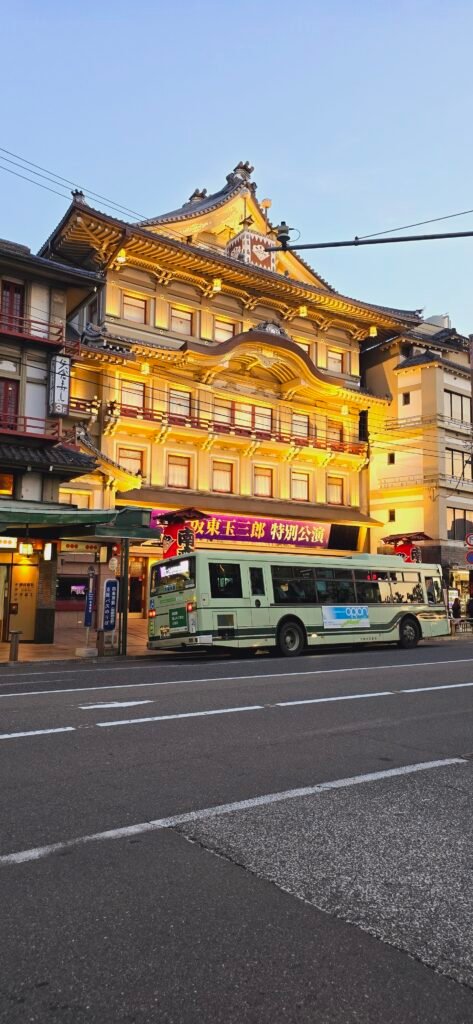
Kyoto’s famous geisha quarter, filled with traditional wooden machiya houses, tea houses, and lantern-lit alleys. It’s particularly magical at dusk.Nijo Castle
A UNESCO World Heritage Site featuring beautiful gardens and the famous “nightingale floors” that chirp when walked upon.
🍵 Culture & Experiences
Tea Ceremony: Participate in a traditional matcha tea ceremony in a Kyoto teahouse.
Kimono Rental: Dress in kimono for a stroll through the old streets of Higashiyama or Gion.
Zen Meditation: Join a morning zazen (seated meditation) session at a temple.
Traditional Crafts: Try hands-on workshops like pottery, calligraphy, or fan making.
🍱 Kyoto Cuisine
Kyoto is renowned for kaiseki ryori (multi-course haute cuisine) — beautifully presented seasonal dishes. Other specialties include:
Yudofu (tofu hot pot) – especially near Nanzen-ji Temple.
Matcha sweets – green tea ice cream, parfaits, and cakes from Uji, Kyoto’s famous tea-growing area.
Nishiki Market – Kyoto’s “kitchen,” with local snacks, pickles, and street food.
🌿 Best Times to Visit
Spring (March–April): Cherry blossoms create stunning views across temples and parks.
Autumn (November): Fiery red and gold leaves transform Kyoto’s gardens and temples.
Winter: Quieter, with a serene charm — sometimes dusted with snow.
Summer: Hot but lively, featuring the Gion Matsuri, one of Japan’s grandest festivals.
🚉 Getting Around
Kyoto is compact and well-connected by buses, subways, and taxis. Many key sights are close enough to explore by bicycle or on foot. The city also makes an easy day trip from Osaka or Nara by train.
💡 Travel Tips
Start early to enjoy major temples before the crowds.
Buy an IC card (like Suica or ICOCA) for convenient public transit.
Be respectful — Kyotoites value quietness and etiquette, especially in sacred or traditional spaces.
Stay in a ryokan (Japanese inn) for a full cultural experience.
Kinkaku-Ji Temple
Kinkaku-ji (The Golden Pavilion) — officially named Rokuon-ji (Deer Garden Temple) — is one of Kyoto’s most iconic landmarks and one of Japan’s most visited World Heritage Sites. It’s a place where Zen aesthetics, natural beauty, and elegant architecture come together perfectly.
🌟 Overview
Location: Northern Kyoto (Kita Ward)
Type: Zen Buddhist temple (Rinzai sect)
Built: Originally in 1397 as a retirement villa for shogun Ashikaga Yoshimitsu; later converted into a temple.
UNESCO World Heritage Site: Part of the “Historic Monuments of Ancient Kyoto”
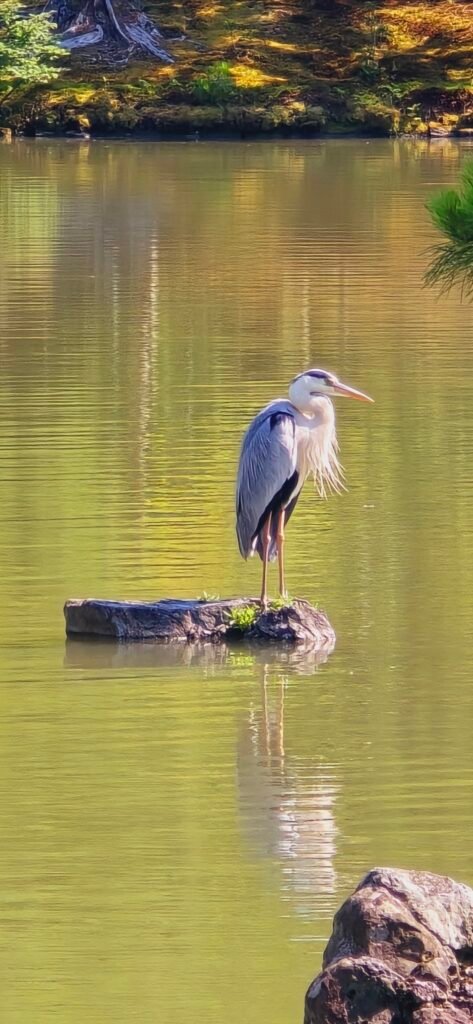
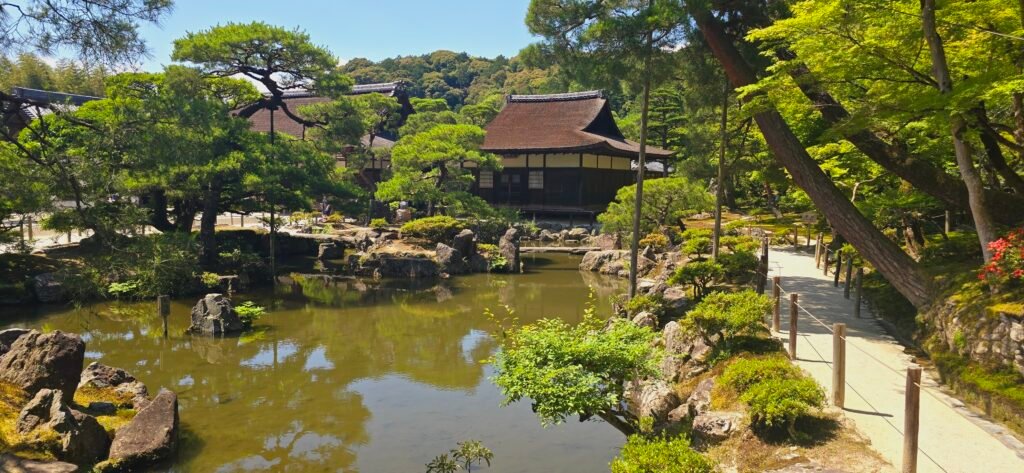
Kinkaku-ji is best known for its brilliant golden pavilion that appears to float on the surface of a mirror-like pond, reflecting sunlight and surrounding scenery in breathtaking harmony.
🏯 What to See
The Golden Pavilion (Kinkaku)
The top two floors are covered entirely in gold leaf, symbolizing purity and transcendence.
Each floor represents a different architectural style:
1st Floor: Shinden-zukuri (Heian palace style)
2nd Floor: Bukke-zukuri (samurai residence style)
3rd Floor: Chinese Zen Hall (karayō style)
At the top sits a phoenix statue — a symbol of rebirth and immortality.
Kyōko-chi (Mirror Pond)
The pond reflects the temple beautifully, especially in calm weather. Small islands and stones are arranged to represent Buddhist symbolism and poetry.
The Garden Path
A walking trail leads around the pond through landscaped gardens — a masterpiece of Muromachi-period garden design blending nature and art.
Fudō Hall
A small shrine dedicated to Fudō Myō-ō (the Buddhist deity of fire and wisdom), located along the exit path.
📸 Best Times to Visit
Morning (9:00–10:00 AM): Softer light, fewer crowds.
Autumn (November): The gold contrasts beautifully with red maple leaves.
Winter: A light layer of snow creates a fairytale scene.
Spring: Cherry blossoms around the pond enhance the serene atmosphere.
🕒 Visitor Information
Hours: 9:00 AM – 5:00 PM
Admission Fee: Around ¥500 (cash only)
Access:
From Kyoto Station, take bus 101 or 205 (about 40 minutes).
Alternatively, take the Karasuma Subway Line to Kitaōji Station, then a short bus/taxi ride.
☕ Nearby Attractions
Ryoan-ji Temple: Famous for its Zen rock garden (15 minutes away).
Ninna-ji Temple: Known for its cherry blossoms.
Tea houses & souvenir shops: Just outside the temple gates — great for trying matcha soft serve or buying gold-leaf souvenirs.
💡 Travel Tips
Tripod photography is not allowed, but handheld shots are fine.
Arrive early or late in the day to avoid crowds.
The interior of the pavilion is not open to the public — the experience is meant to be appreciated from the gardens.
Visit after rain for stunning reflections in the pond.

Fushimi Inari- Taisha Shrine
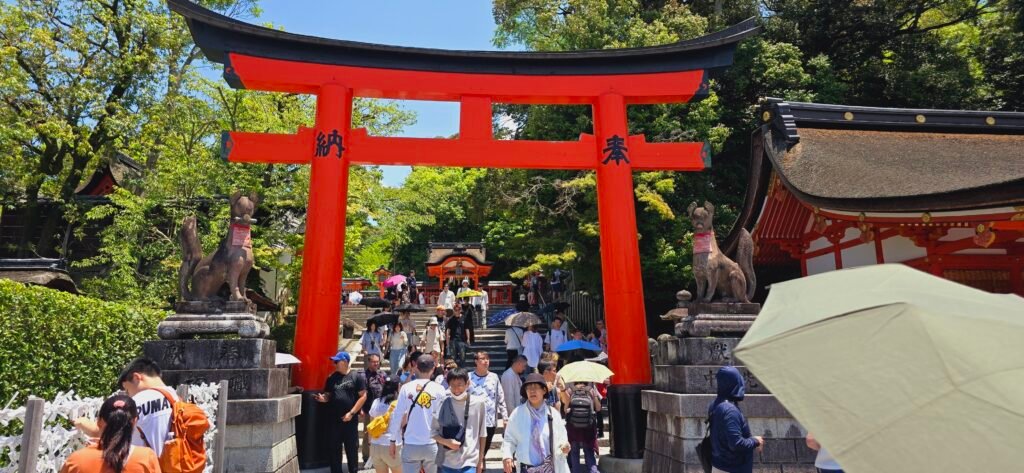
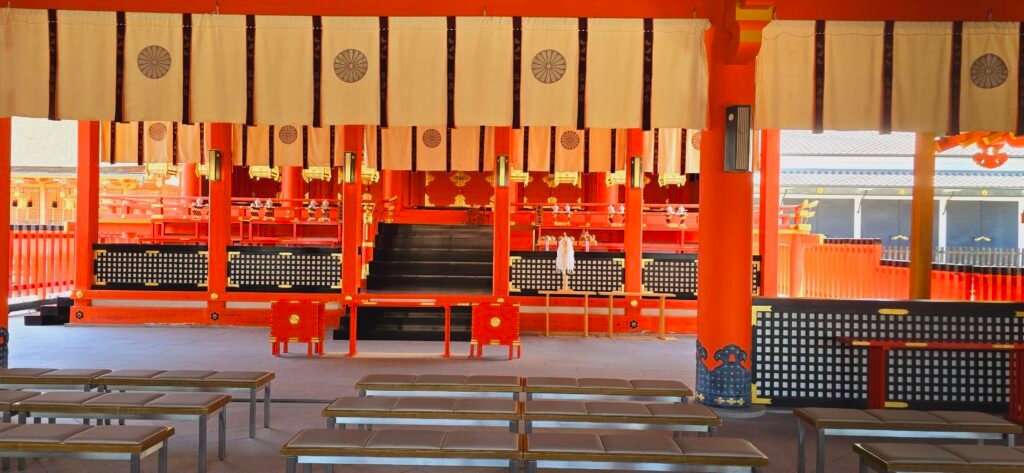
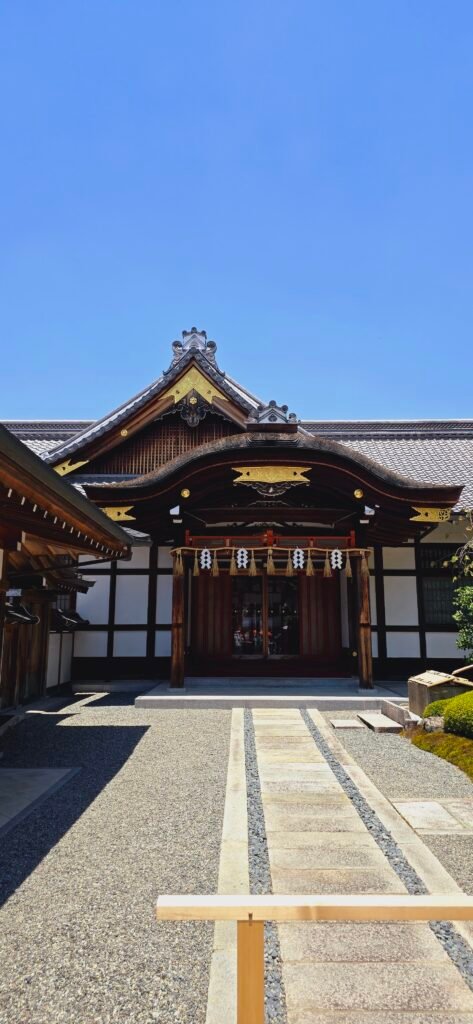
Fushimi Inari Shrine in Kyoto is one of Japan’s most iconic and visited spiritual sites, renowned for its thousands of vibrant red torii gates that wind through a forested mountain trail.
Here’s a detailed overview to help you plan your visit:
🏯 What Makes Fushimi Inari Shrine Special
Torii Gate Path: The shrine’s most famous feature is its Senbon Torii (“thousands of torii gates”)—a mesmerizing trail of vermilion gates that stretches up Mount Inari. Walking through them feels like entering another world.
Mount Inari Trails: The shrine grounds extend into the wooded slopes of Mount Inari (233 meters high), offering scenic hiking paths, smaller shrines, and panoramic views of Kyoto.
Spiritual Significance: Dedicated to Inari, the Shinto deity of rice, agriculture, and prosperity. Fox statues (Inari’s messengers) are scattered throughout the grounds, adding to the mystical atmosphere.
Historic Roots: Fushimi Inari dates back to before Kyoto became Japan’s capital in 794, making it one of the oldest and most revered shrines in the country.
🚶♂️ What to Do
Walk the full torii trail: It takes about 2–3 hours round trip to reach the summit and return.
Try local treats: Sample kitsune udon (fox-themed noodles) and what may be the original fortune cookie sold near the entrance.
Visit at sunrise or evening:
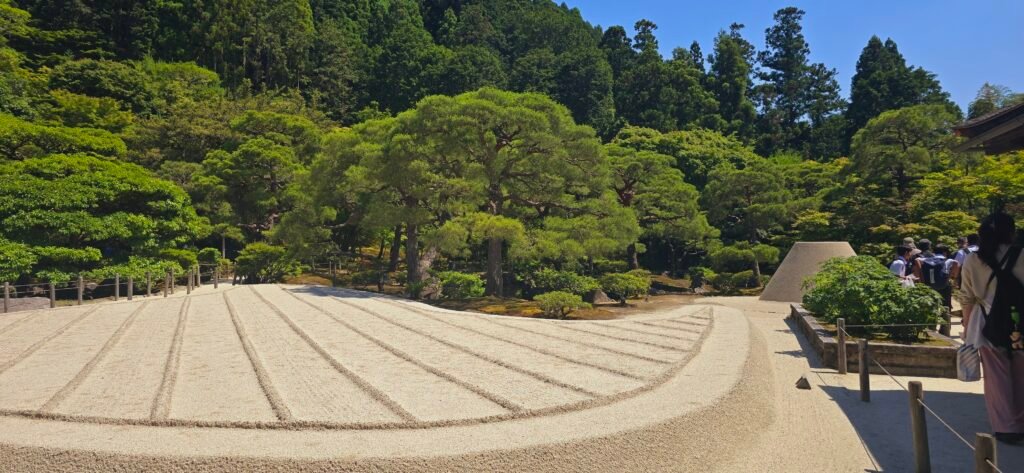
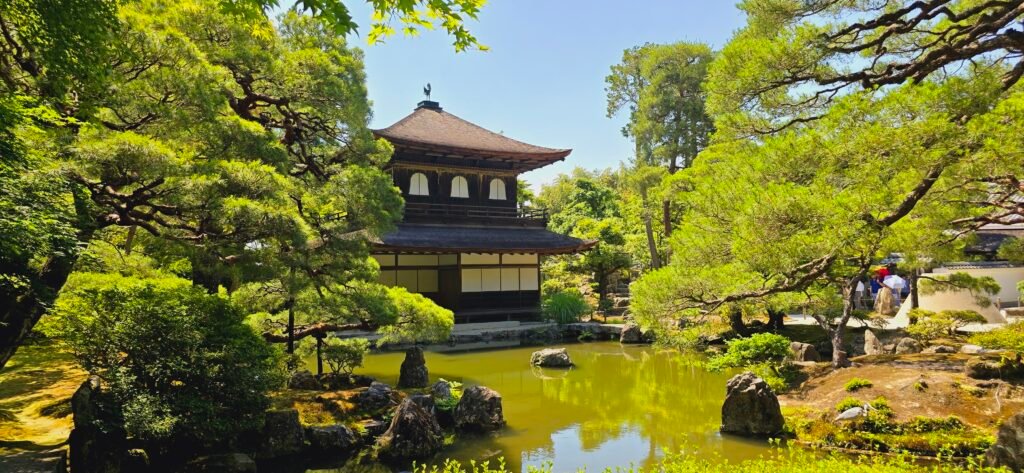
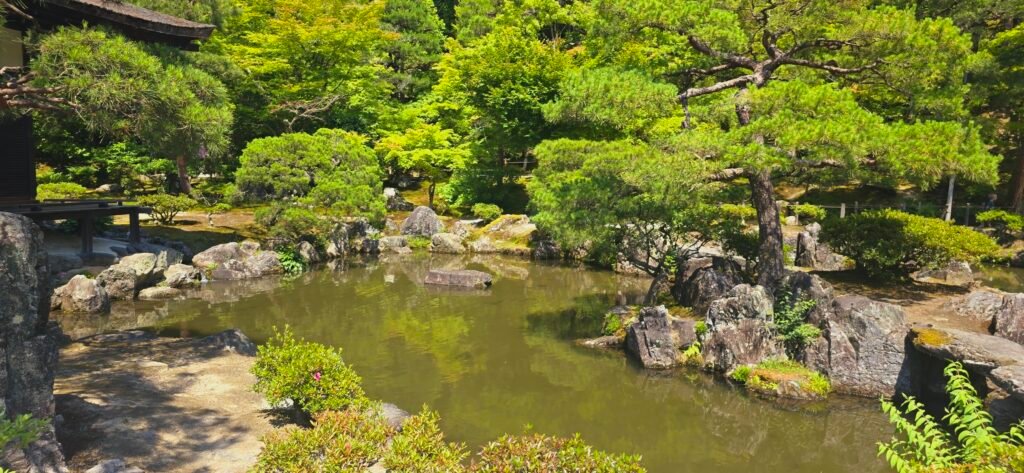
Ginkaku-Ji Temple
Gion neighborhood
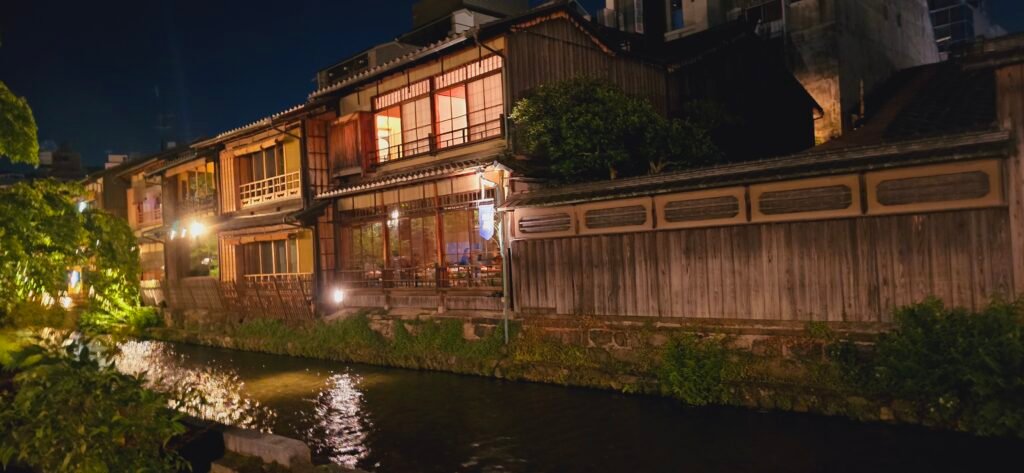
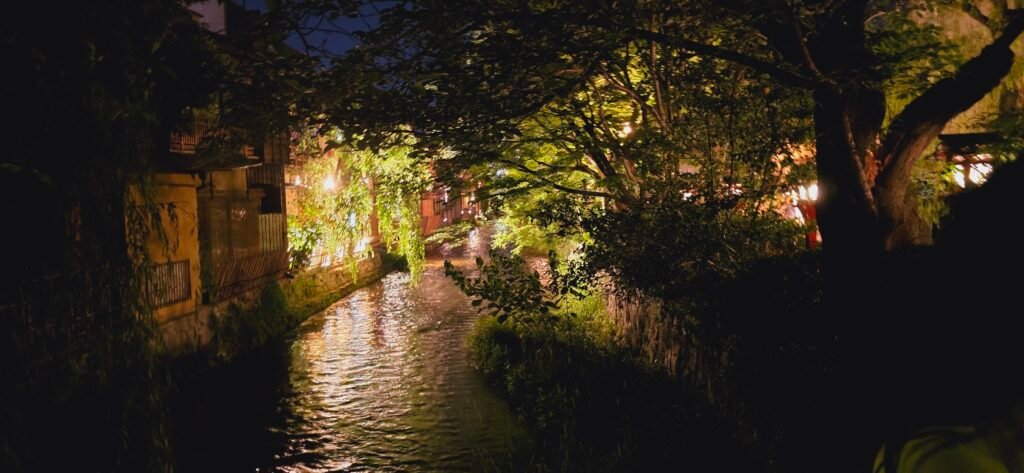
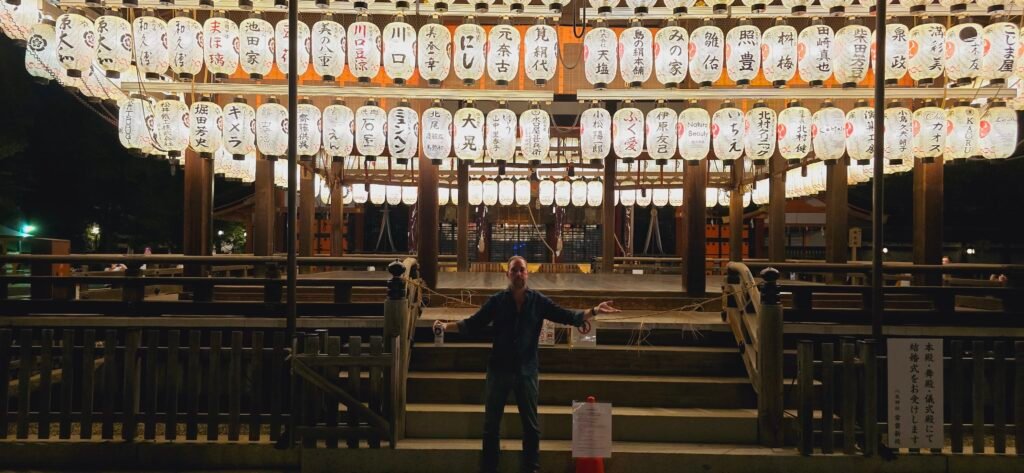
Gion is Kyoto’s most iconic geisha district, offering a captivating blend of traditional architecture, cultural experiences, and atmospheric charm. It’s a must-visit for travelers seeking an authentic taste of old Japan.
Here’s what makes Gion so special for tourism:
🌸 Cultural Highlights
Geisha and Maiko Sightings: Gion is famous for its geiko (Kyoto dialect for geisha) and maiko (apprentices). You might spot them in full traditional attire heading to evening appointments.
Ochaya (Teahouses): These exclusive venues host geisha performances and traditional entertainment, though access is typically reserved for invited guests.
🏯 Historic Architecture
Machiya Houses: Gion’s streets are lined with preserved wooden merchant houses, known for their narrow facades and deep interiors—a result of historical tax rules.
Hanami-koji Street: The most popular street in Gion, stretching from Shijo Avenue to Kenninji Temple, is filled with elegant restaurants and preserved buildings.
🛕 Temples and Shrines
Yasaka Shrine: Located at the eastern edge of Gion, this vibrant shrine is central to the famous Gion Matsuri festival held every July.
Kenninji Temple: One of Kyoto’s oldest Zen temples, offering tranquil gardens and impressive artwork.
🌆 Atmosphere and Experience
Stone-Paved Alleys: Wandering through Gion’s lantern-lit alleys feels like stepping back in time.
Traditional Dining: Enjoy kaiseki (multi-course meals) at ryotei, traditional Japanese restaurants that often feature seasonal ingredients and refined presentation.
🎭 Events and Activities
Gion Matsuri: Kyoto’s biggest festival, held in July, features parades, floats, and street celebrations centered around Yasaka Shrine.
Kimono Rentals: Many shops offer kimono rentals so visitors can immerse themselves in the traditional ambiance while exploring the district.
Riohacha has a rich history that reflects its colonial past and its indigenous roots. Riohacha Cathedral with its beautiful architecture, is located in the city’s main square. The Casa de la Cultura, a museum dedicated to the history and traditions of La Guajira, offers fascinating exhibits on the region’s indigenous cultures and colonial history.
You can also visit Plaza Almirante Padilla, a lively square with shops, cafes, and restaurants, where you can experience the local vibe and try traditional food like arepas de quest or ceviche made with fresh seafood.
The main tourist area is the boardwalk. There are a number of restaurants and shops that line to road along the beach and a few piers to walk out on.
Riohacha’s cuisine is a fusion of Caribbean and indigenous flavors, with an emphasis on fresh seafood, coconut, and yucca. A local delicacy is the arroz con camarones (rice with shrimp) or pescado Frito (friend fish). The coastal location makes the seafood some of the freshest in Colombia.
Compared to the more famous Colombian cities, Riohacha offers a laid-back vibe, with friendly locals who are proud of their cultural heritage and eager to share it with visitors. Whether you’re walking along the beach, visiting local markets, or interacting with indigenous communities, you’ll likely experience the warm hospitality that Colombia is known for.
Osaka Castle
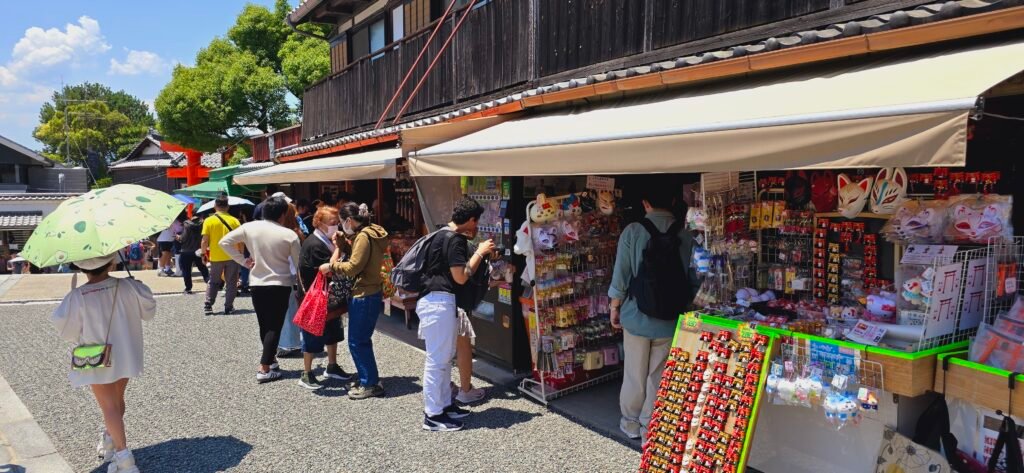
Osaka Castle is one of Japan’s most iconic landmarks, offering a blend of rich history, stunning architecture, and scenic beauty that makes it a must-visit destination for tourists.
Here’s what makes Osaka Castle a captivating spot for travelers:
🏯 Historical Significance
Built in 1583 by Toyotomi Hideyoshi, a powerful warlord who aimed to unify Japan.
The castle played a pivotal role in the country’s political history, especially during the Azuchi–Momoyama period.
It was destroyed and rebuilt multiple times, with the current main tower reconstructed in 1931 using ferro-concrete.
🌸 Attractions and Activities
Main Tower Museum: Inside the castle, visitors can explore exhibits detailing its history, samurai armor, and panoramic views from the top floor.
Nishinomaru Garden: A beautifully landscaped garden offering spectacular views of the castle, especially during cherry blossom season.
Osaka Castle Park: A vast green space surrounding the castle, perfect for jogging, cycling, or relaxing. It’s especially popular for picnics under plum and cherry trees.
📍 Location and Access
Situated in Chūō-ku, Osaka, the castle is easily accessible via the Osaka Loop Line from Osaka Station.
The grounds are open year-round, with seasonal highlights like cherry blossoms in spring and colorful foliage in autumn.
🕰️ Visitor Tips
Best time to visit: Spring (March–April) for cherry blossoms or autumn (October–November) for fall colors.
Hours: Typically open from 9:00 AM to 5:00 PM, with last entry around 4:30 PM.
Admission: Entry to the park is free; a small fee applies for the museum inside the main tower.
Osaka Castle is not just a historical monument—it’s a vibrant cultural hub where the past and present meet. Whether you’re a history buff, nature lover, or casual traveler, it offers something memorable for everyone.
The Manaure Salt Mines are one of the largest and most significant salt extraction sites in Colombia.
The Manaure Salt Mines have been a source of salt since pre-Colombian times, with indigenous Wayuu people using the salt for trade, food preservation, and ceremonial purposes long before Spanish colonization.
The salt mines were formally developed under Spanish colonial rule in the 16th century and have remained an important resource for the region ever since.
After the Salt Mines, we got back in the jeep and drove 2 hours to the hotel.
At the hotel we had lunch which was a choice of shrimp, goat, fish, chicken or vegetarian with rice, salad and yucca.
After lunch we drove another 2 hours to Playa Arcoiris, this beach is rough so this was for photos and fresh air only.
Chion- In
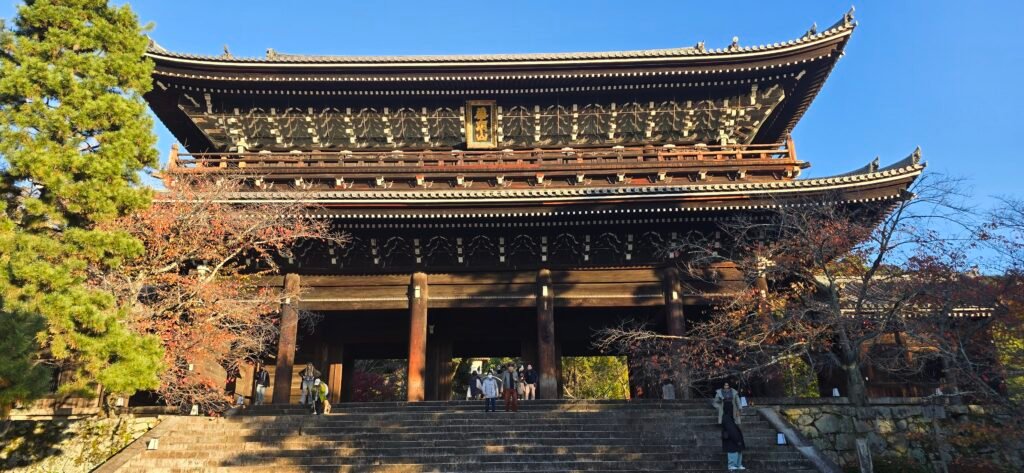
Chion-in Temple in Kyoto is a must-visit for its grand architecture, serene atmosphere, and deep historical significance as the head temple of the Jodo (Pure Land) sect of Buddhism.
Here’s what makes Chion-in Temple a standout destination for tourists:
🏯 Highlights of Chion-in Temple
Massive Sanmon Gate: This is the largest wooden temple gate in Japan, standing 24 meters tall and 50 meters wide. Built in the early 1600s, it’s an awe-inspiring entrance that sets the tone for the temple’s grandeur.
Main Hall (Miedo Hall): A central place of worship where visitors often light incense and pray. The hall is dedicated to Honen, the founder of the Jodo sect.
Giant Temple Bell: Weighing more than several city buses, this bell is the largest in Japan and is rung ceremonially during New Year’s celebrations.
Nightingale Corridor: A unique wooden corridor that chirps like a bird when walked upon—originally designed to alert against intruders.
Panoramic Garden Views: The temple grounds include a peaceful garden offering sweeping views of Kyoto’s Higashiyama district.
📍 Location & Accessibility
Situated just north of Maruyama Park and Yasaka Shrine, Chion-in is easily accessible and often included in walking tours of Eastern Kyoto.
Entry to the temple grounds is free, making it a popular stop for both casual visitors and spiritual pilgrims.
🕊️ Historical Significance
Founded over 800 years ago, Chion-in began as a modest hut occupied by Honen, whose teachings emphasized simplicity and devotion.
Today, it serves as the head temple of the Jodo sect, one of Japan’s largest Buddhist denominations with millions of followers.
🧘♀️ Visitor Experience
Expect a tranquil atmosphere with opportunities for reflection, photography, and cultural immersion.
Seasonal visits—especially during cherry blossom or autumn foliage—enhance the temple’s beauty and serenity.
Kiyomizu dera
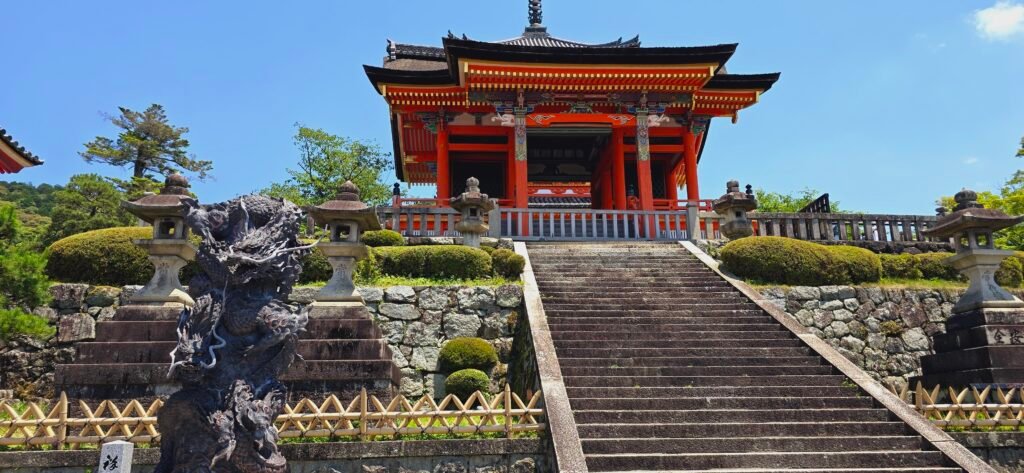
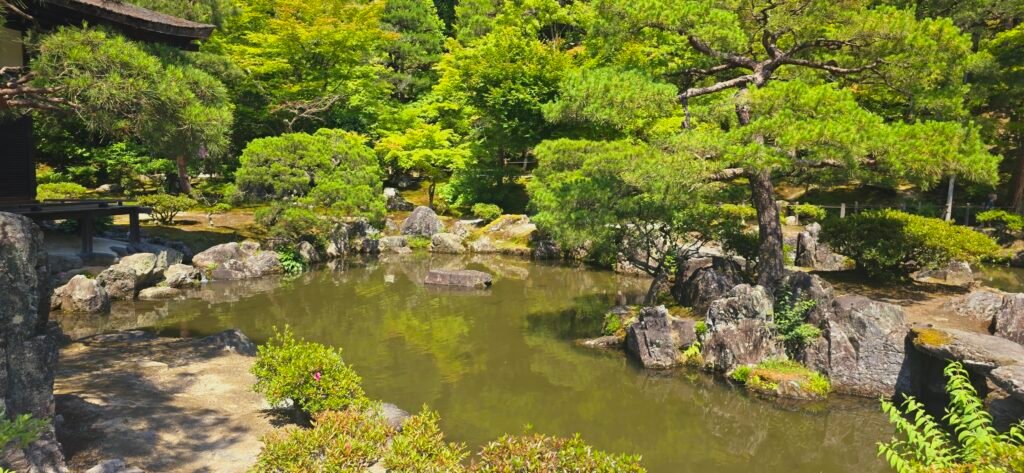
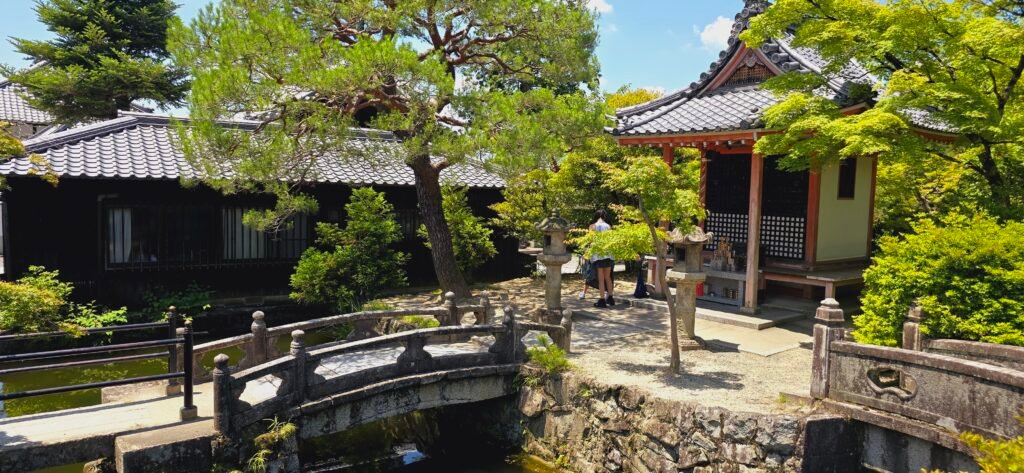
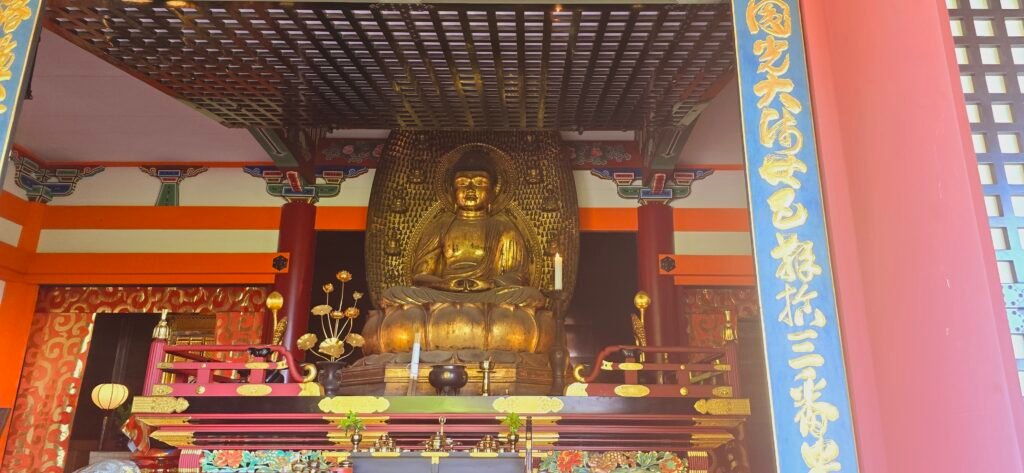
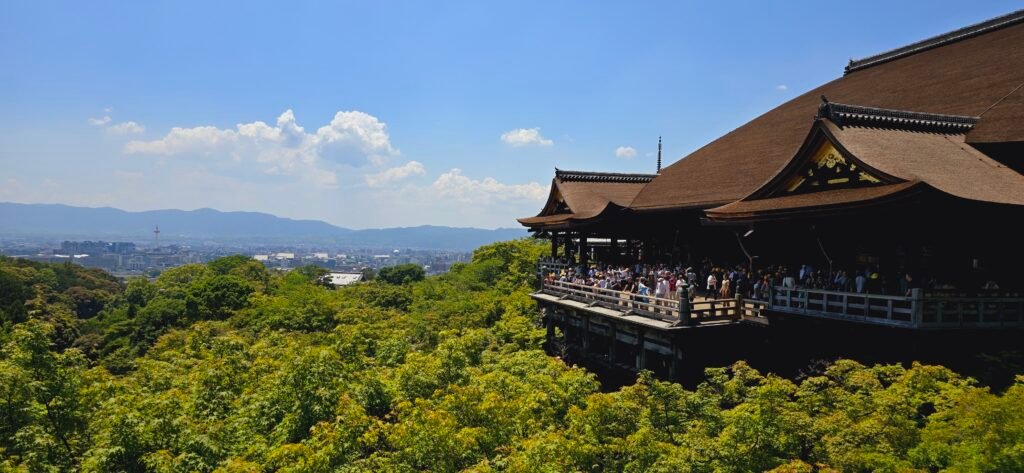
Kiyomizu-dera in Kyoto is one of Japan’s most iconic temples, offering breathtaking views, historic architecture, and spiritual significance—making it a must-visit for tourists.
Here’s a detailed look at what makes Kiyomizu-dera Temple so special for travelers:
🏯 Historical and Cultural Significance
Founded in 780, Kiyomizu-dera is one of Kyoto’s oldest and most celebrated temples.
It was built near the Otowa Waterfall, whose pure waters inspired the temple’s name—“Kiyomizu” means “pure water”.
The temple is dedicated to Kannon Bodhisattva, the goddess of mercy, and is considered a sacred site of compassion.
In 1994, it was designated a UNESCO World Heritage Site, underscoring its global cultural importance.
🌄 Architectural Highlights
The temple’s most famous feature is its wooden stage, which juts out 13 meters above the hillside, offering panoramic views of Kyoto.
The main hall, with its cypress bark roof, houses a revered statue of Kannon.
Several buildings on the grounds are designated national treasures, adding to the temple’s prestige.
🌸 Seasonal Beauty
Kiyomizu-dera is stunning year-round, but especially during:
Cherry blossom season in spring
Autumn foliage from late November to early December
These seasons draw large crowds and are ideal for photography and scenic walks.
💫 Unique Experiences
The phrase “to jump off the stage at Kiyomizu” is a Japanese idiom meaning “to take the plunge,” inspired by the temple’s dramatic terrace.
Visitors can drink from the Otowa Waterfall’s three streams, each said to bring health, longevity, or academic success.
The temple encourages reflection and gratitude, making it not just a sightseeing spot but a place of personal introspection.
🧭 Visitor Tips
Located in Higashiyama, the temple is accessible by bus or a scenic walk from nearby Gion.
It’s best to visit early in the morning or late afternoon to avoid crowds and enjoy the sunset views.
Entry fees and hours vary seasonally, so checking the is recommended
We stayed overnight at Cabo del Vela. You can stay in a cabin or in a hammock on the beach. The hammock was comfortable but felt a little unsafe, while it was covered and had a wall on 3 sides, it was right on the beach and beach is open to the public so anyone can walk in front. Also the mosquitos here were tough so they kept me awake a lot of the night.
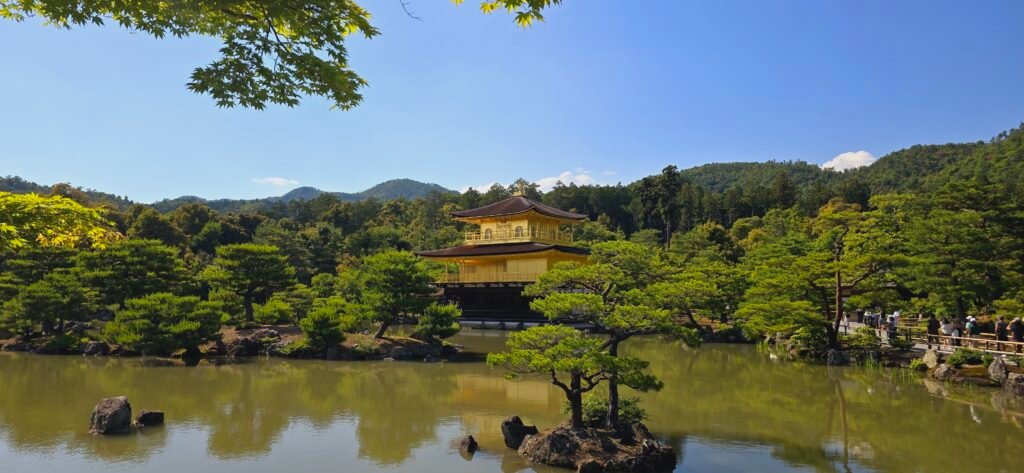
Nanzen ji
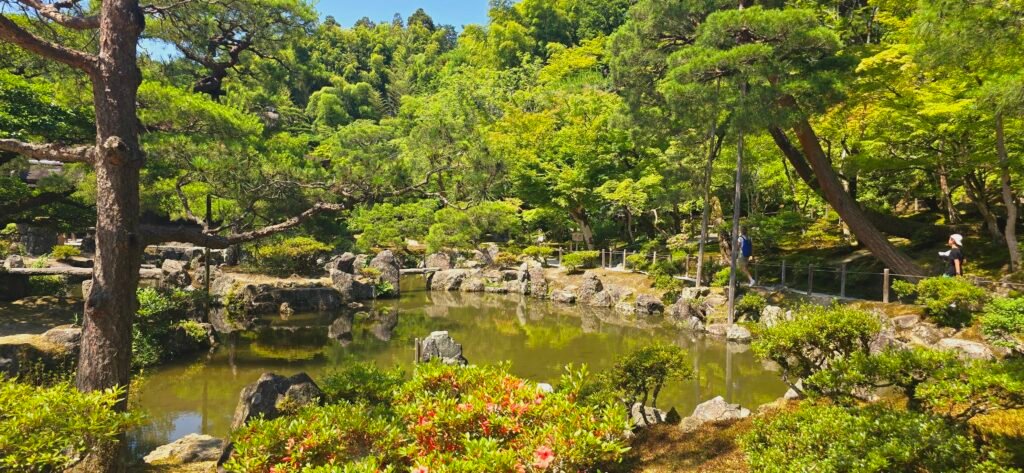
Nanzen-ji Temple in Kyoto is a must-visit for travelers seeking serene beauty, historic architecture, and authentic Zen culture. Nestled at the base of the Higashiyama mountains, it offers a peaceful escape with stunning gardens and centuries-old temple buildings.
🏯 Highlights of Nanzen-ji Temple
Historic Zen Temple: Founded in the mid-13th century by Emperor Kameyama, Nanzen-ji is one of the most important temples of the Rinzai sect of Japanese Zen Buddhism.
Expansive Grounds: The temple complex includes multiple sub-temples, each with its own unique features, making it ideal for leisurely exploration.
Hojo Rock Garden: A classic example of a Zen dry landscape garden, perfect for quiet contemplation.
Sanmon Gate: This massive wooden gate offers panoramic views of Kyoto from the top and is a popular photo spot.
Aqueduct: The striking brick aqueduct running through the temple grounds adds a unique architectural contrast and is a favorite among photographers.
🌸 Best Time to Visit
Spring (March–April): Cherry blossoms bloom across the temple grounds.
Autumn (November): Fiery red and orange foliage creates a breathtaking backdrop.
🧘♂️ Experiences
Zen Meditation: Some sub-temples offer zazen (seated meditation) sessions for visitors.
Guided Tours: Local guides provide deeper insights into Kyoto’s traditions and Nanzen-ji’s cultural significance.
📍 Location & Access
Address: Near Keage Station, easily accessible via Kyoto’s subway.
Opening Hours: Typically 8:40 AM to 5:00 PM, but hours may vary by sub-temple.
Admission: Free to enter the grounds; fees apply for specific areas like the Hojo and Sanmon Gate.
🏨 Nearby Attractions
Philosopher’s Path: A scenic walking trail lined with cherry trees.
Eikando Temple: Known for its autumn foliage and beautiful gardens.
Kyoto International Community House: Offers cultural events and traveler resources.
On day 2 we started entering Wayuu reservation territory. You will know this when you see small children holding ropes across the road (sort of an unofficial toll system). Our driver would give them rice, water, cookies or small money and they would untie th ropes and let us pass.
This small, tranquil village is a highlight of the region. It offers mesmerizing desert landscapes that meet the ocean, along with some of the best views in Colombia. You can relax on beautiful beaches, go kite surfing, and watch the sunsets over the horizon.
Nijo-jo
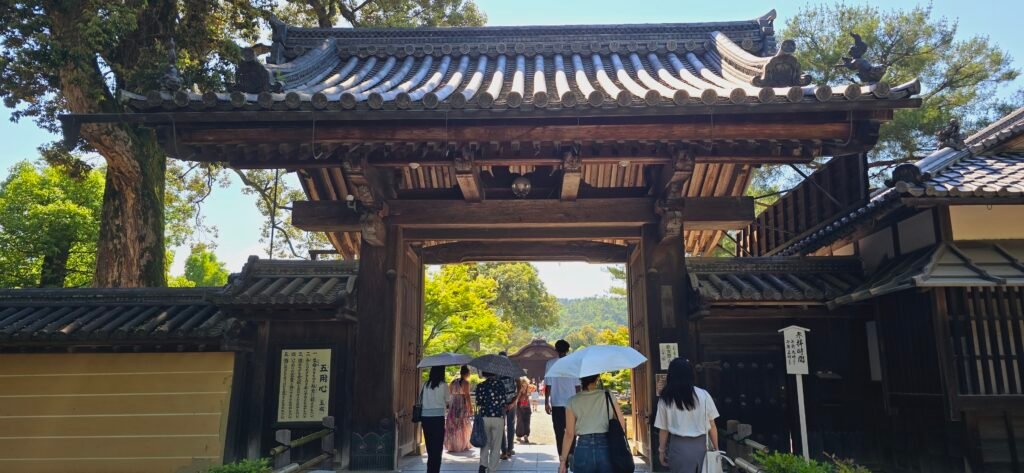
Nijo Castle (Nijōjō) in Kyoto is a UNESCO World Heritage Site known for its stunning feudal-era architecture, beautiful gardens, and rich historical significance. It’s a must-visit for anyone interested in Japan’s samurai heritage and imperial history.
Here’s what makes Nijo Castle a top tourist destination:
🏯 Historical Significance
Built in 1603 as the Kyoto residence of Tokugawa Ieyasu, the first shogun of the Edo Period.
Later expanded by his grandson Iemitsu, who added the five-story keep and completed the palace buildings.
After the fall of the Tokugawa Shogunate in 1867, it briefly served as an imperial palace before becoming a public historic site.
🌸 Architectural Highlights
Ninomaru Palace: Famous for its lavish interiors, sliding doors with intricate paintings, and “nightingale floors” that chirp when walked on to guard against intruders.
Honmaru Palace: A more restricted area, occasionally open to the public, offering a glimpse into imperial-style architecture.
Gardens: The castle grounds feature beautifully landscaped gardens, including a traditional Japanese garden with ponds and stone arrangements.
📍 Visitor Experience
Opening Hours: Typically 8:45 AM to 5:00 PM, with last entry at 4:00 PM.
Best Time to Visit: Early morning or late afternoon to avoid crowds. Spring is especially popular for cherry blossoms during the Nijo-jo Castle Sakura Festival.
Events: Seasonal festivals and cultural exhibitions are held throughout the year, enhancing the visitor experience.
🌐 UNESCO Recognition
Designated a UNESCO World
Daitokuji Temple in Kyoto is a serene Zen Buddhist complex known for its exquisite gardens, historic architecture, and deep ties to the Japanese tea ceremony. It’s a must-visit for travelers seeking cultural depth and tranquility.
Here’s what makes Daitokuji Temple a standout destination for tourists:
🏯 Overview
Founded in 1319, Daitokuji is the head temple of the Rinzai sect’s Daitokuji school of Zen Buddhism.
Located in northern Kyoto, it’s a sprawling, walled complex with nearly two dozen sub-temples, many of which are open to the public.
🌿 What to See and Do
Zen Gardens: Daitokuji is one of the best places in Japan to experience traditional Zen rock gardens, each with unique designs and symbolism.
Sanmon Gate: The imposing Mountain Gate, built in 1529, is a striking architectural feature.
Koto-in Temple: Famous for its autumn foliage, this sub-temple offers a peaceful retreat and beautiful seasonal views.
Tea Ceremony Heritage: Daitokuji is considered the spiritual home of the Japanese tea ceremony, closely associated with tea master Sen no Rikyu.
🧘 Cultural Significance
The temple played a key role in the development of Zen aesthetics and tea culture, attracting historical figures like Oda Nobunaga and Toyotomi Hideyoshi.
The famous Zen priest Ikkyu helped restore the temple after the Onin War, contributing to its architectural and spiritual legacy.
📍 Visitor Tips
Access: Easily reachable by bus or taxi from central Kyoto.
Hours: Vary by sub-temple; some are only open seasonally or for special events.
Atmosphere: Quiet and contemplative—ideal for travelers interested in Zen philosophy, Japanese history, or garden design.
🏨 Nearby Attractions
Combine your visit with nearby temples like Kinkakuji (Golden Pavilion) or Ryoanji, both within a short distance.
Enjoy local Kyoto cuisine at restaurants in the Murasakino neighborhood.
From the Dunes we headed to Point Gallinas. After the dunes, the landscape changes quickly to green with many types of cactus.
Daitoku ji
Daitokuji Temple in Kyoto is a serene Zen Buddhist complex known for its exquisite gardens, historic architecture, and deep ties to the Japanese tea ceremony. It’s a must-visit for travelers seeking cultural depth and tranquility.
Here’s what makes Daitokuji Temple a standout destination for tourists:
🏯 Overview
Founded in 1319, Daitokuji is the head temple of the Rinzai sect’s Daitokuji school of Zen Buddhism.
Located in northern Kyoto, it’s a sprawling, walled complex with nearly two dozen sub-temples, many of which are open to the public.
🌿 What to See and Do
Zen Gardens: Daitokuji is one of the best places in Japan to experience traditional Zen rock gardens, each with unique designs and symbolism.
Sanmon Gate: The imposing Mountain Gate, built in 1529, is a striking architectural feature.
Koto-in Temple: Famous for its autumn foliage, this sub-temple offers a peaceful retreat and beautiful seasonal views.
Tea Ceremony Heritage: Daitokuji is considered the spiritual home of the Japanese tea ceremony, closely associated with tea master Sen no Rikyu.
🧘 Cultural Significance
The temple played a key role in the development of Zen aesthetics and tea culture, attracting historical figures like Oda Nobunaga and Toyotomi Hideyoshi.
The famous Zen priest Ikkyu helped restore the temple after the Onin War, contributing to its architectural and spiritual legacy.
📍 Visitor Tips
Access: Easily reachable by bus or taxi from central Kyoto.
Hours: Vary by sub-temple; some are only open seasonally or for special events.
Atmosphere: Quiet and contemplative—ideal for travelers interested in Zen philosophy, Japanese history, or garden design.
🏨 Nearby Attractions
Combine your visit with nearby temples like Kinkakuji (Golden Pavilion) or Ryoanji, both within a short distance.
Enjoy local Kyoto cuisine at restaurants in the Murasakino neighborhood.
At night we met with a Wayuu guide and he explained the traditions and customs of the Wayuu people.
Nishiki market
Nishiki Market in Kyoto is a vibrant, five-block shopping street known as “Kyoto’s Kitchen,” offering a rich taste of local food culture and traditional Japanese culinary delights.
Here’s what makes Nishiki Market a must-visit destination for tourists:
🍣 What to Expect
Over 100 shops and restaurants line the narrow street, each specializing in local food items and kitchenware.
You’ll find fresh seafood, seasonal produce, pickles, dried goods, Japanese sweets, sushi, and even Kyoto-style street food like skewers and tamagoyaki (Japanese omelet).
Many vendors offer free samples, and some prepare food on the spot so you can enjoy it fresh and hot.
🛍️ Shopping Highlights
Traditional Kyoto specialties such as yuba (tofu skin), matcha treats, and tsukemono (pickled vegetables).
Handcrafted knives and cookware from local artisans—great souvenirs for cooking enthusiasts.
Unique items like wasabi salt, sesame oil, and dried seafood that reflect Kyoto’s culinary heritage.
🎎 Cultural Experience
The market has a lively yet intimate atmosphere, with narrow alleys and colorful storefronts that evoke old Kyoto charm.
Many shops have been family-run for generations, offering a glimpse into local traditions and hospitality.
It’s a great place to interact with vendors, learn about ingredients, and discover how Kyoto cuisine is prepared.
📍 Location & Tips
Located in central Kyoto, just a short walk from Shijo Station and near the Teramachi shopping arcade.
Best visited in the morning or early afternoon when shops are fully open and food is freshest.
Weekends can be crowded, so weekdays offer a more relaxed experience.
🧭 Travel Essentials
Opening hours vary by shop, but most are open from around 10:00 AM to 6:00 PM.
No entrance fee—just stroll, sample, and shop at your own pace.
Combine your visit with nearby attractions like Nijo Castle, Gion District, or Kyoto Imperial Palace for a full day of exploration.
Nishiki Market is perfect for food lovers, cultural explorers, and anyone curious about Kyoto’s rich culinary traditions.
Nightlife


Conclusion
Kyoto is